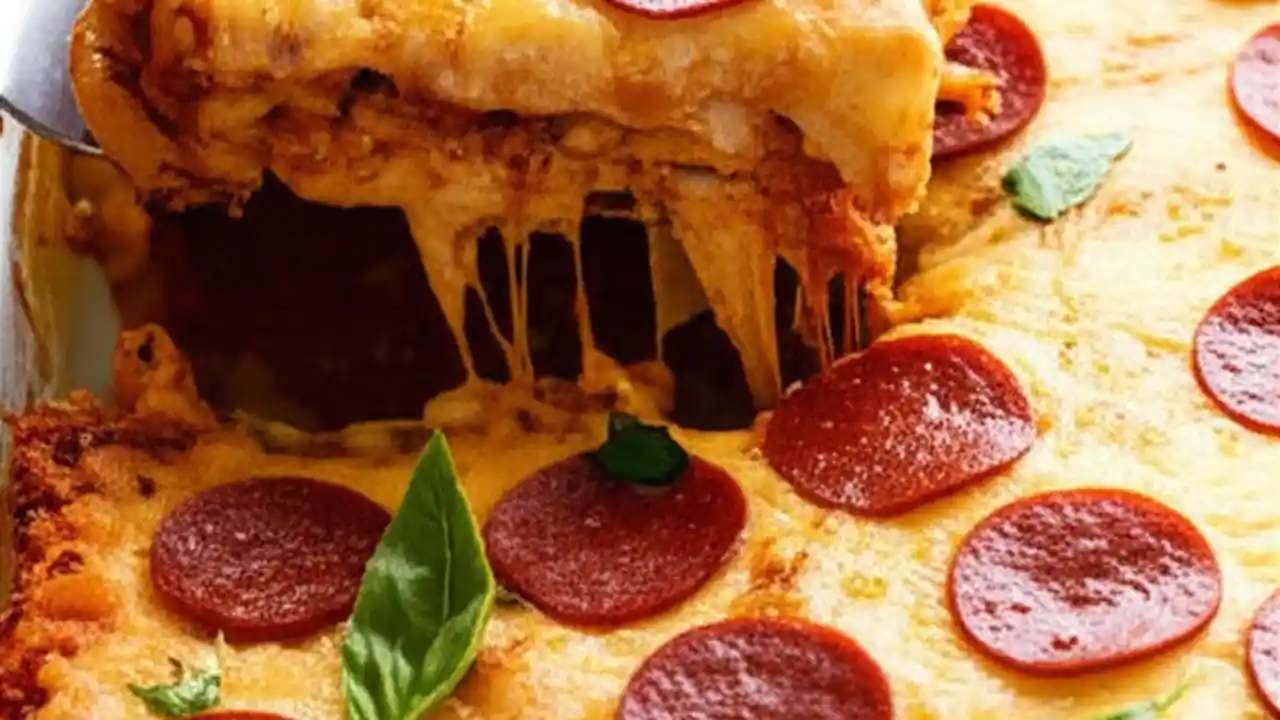
Mastering Pizza Casserole: Tips for a Bubbly, Flavorful Dish
In the culinary landscape, few dishes evoke as much universal joy as pizza. Its cheesy, savory, customizable nature makes it a perennial favorite. However, the joy of pizza often comes with the commitment of making dough, waiting for it to rise, and the general fuss of assembling a traditional pie. Enter the pizza casserole: a genius culinary invention that captures all the beloved flavors of your favorite slice in a simple, fork-friendly, baked dish, without a single roll of dough in sight. It's the ultimate weeknight dinner solution, offering hearty satisfaction and endless customization. Far from being a mere stand-in, a well-executed pizza casserole stands on its own as a comforting and intensely flavorful meal. It’s a dish where robust ingredients meld together under a blanket of bubbly, melted cheese, promising a delightful experience with every scoop. But what elevates a good pizza casserole to a truly masterful one? It comes down to understanding the components and applying a few key techniques to ensure it’s not just easy, but truly exceptional – bursting with flavor and perfectly textured.The Allure of Pizza Casserole: Why It's a Weeknight Winner
The appeal of baked cheesy pizza casserole lies in its brilliant simplicity and comforting familiarity. Imagine craving the savory goodness of pepperoni, the tang of tomato sauce, and the gooey stretch of mozzarella, but lacking the time or inclination to handle yeast and dough. That's where pizza casserole shines brightest.- Effortless Preparation: Most pizza casserole recipes involve mixing ingredients in a single bowl, pouring them into a dish, and baking. This significantly cuts down on prep time and cleanup, making it ideal for busy evenings.
- No Dough, No Fuss: The primary time-saver is eliminating the need for pizza dough. This means no waiting for rising, no kneading, and no specialized equipment, allowing you to go from craving to casserole much faster.
- Flavor Fusion: Unlike a traditional pizza where toppings sit atop a base, a casserole allows all the ingredients to meld and infuse their flavors into one another during baking. This results in a deeper, more integrated taste profile.
- Hearty & Satisfying: With a base often featuring a savory protein like sausage or ground beef, and usually incorporating pasta or other substantial elements, pizza casserole is inherently filling. It’s the kind of hearty dinner that truly satisfies.
- Family-Friendly & Customizable: This dish is a blank canvas. It's easy to adapt to different dietary needs or preferences, making it a crowd-pleaser for families with varied tastes.
Building Your Masterpiece: Key Ingredients for a Flavorful Pizza Casserole
The foundation of any outstanding pizza casserole lies in the quality and balance of its ingredients. While the simplicity of mixing everything together is appealing, choosing the right components and understanding their role is crucial for maximizing flavor and texture.- The Hearty Base: A robust protein often forms the backbone of a satisfying pizza casserole.
- Sausage: As suggested in classic recipes, Italian sausage (sweet or spicy) is an excellent choice. It brings a wealth of flavor and richness to the dish. Brown it thoroughly before mixing to render fat and develop a savory crust.
- Ground Meat: Ground beef, turkey, or chicken are also fantastic options. Season them well with Italian herbs, garlic powder, and onion powder to replicate classic pizza flavors.
- Vegetarian Options: For a meatless version, consider hearty mushrooms, crumbled plant-based "sausage," or robust vegetables like eggplant and zucchini, perhaps roasted beforehand for deeper flavor.
- The Tangy Sauce: This is where the "pizza" identity truly shines.
- Marinara or Pizza Sauce: A good quality marinara or dedicated pizza sauce is paramount. Don't skimp here; a flavorful sauce will elevate the entire dish. Look for brands with a rich tomato flavor and balanced seasoning.
- Adding Depth: You can enhance a basic sauce with a pinch of sugar to balance acidity, a dash of red wine, or extra herbs like oregano, basil, and a bay leaf (removed before baking).
- The Star Cheese: Mozzarella is non-negotiable for that signature pizza stretch and melt.
- Low-Moisture, Part-Skim Mozzarella: This is your best friend for a bubbly, evenly melted top. It contains less water, preventing your casserole from becoming soggy.
- Cheese Blends: Don't be afraid to combine mozzarella with other cheeses for a more complex flavor profile. Provolone adds a sharp, tangy note; Parmesan offers a salty, umami kick; and a touch of cheddar can add creaminess.
- Preventing Wateriness: Drained Tomatoes & Veggies: This is a critical tip often overlooked!
- Drained Diced Tomatoes: If your recipe calls for canned diced tomatoes, ensure they are *thoroughly* drained. Excess liquid from tomatoes can turn your casserole into a soupy mess rather than a thick, cohesive dish. Pat them dry with paper towels if necessary.
- Pre-Cooked Vegetables: Vegetables like mushrooms, onions, and peppers contain a lot of water. Sautéing them briefly before adding them to the casserole mixture helps to cook out some of this moisture and concentrates their flavor, preventing a watery result and ensuring optimal texture.
- The Carb Component (Optional but Popular): Many pizza casseroles incorporate pasta to make them even more filling and satisfying.
- Pasta: Penne, ziti, rotini, or even egg noodles work wonderfully. Cook the pasta al dente before mixing, as it will continue to cook in the oven and absorb the sauce without becoming mushy.
- Other Starches: Some variations use polenta, potatoes, or even torn bread for a different texture.
Achieving Perfection: Tips for a Bubbly, Flavorful Pizza Casserole
Once you've gathered your quality ingredients, the magic happens in the preparation and baking. A few simple techniques can elevate your pizza casserole from good to truly great, ensuring that perfect bubbly cheese, rich flavor, and ideal texture.- Strategic Ingredient Mixing: While simplicity often dictates mixing everything together, a slight modification can yield superior results.
- Base Mix: Combine your cooked protein (if applicable), sauce, drained tomatoes, pre-cooked veggies, herbs, and cooked pasta (if using) in a large bowl. Ensure everything is evenly distributed and well-coated with sauce. This step allows the flavors to begin blending before baking.
- The Mozzarella Divide: The classic approach (and a good one!) is to hold back a portion of the mozzarella. Mix about half to two-thirds of the cheese into the casserole mixture itself, then sprinkle the remaining cheese generously over the top of the casserole just before or partway through baking. This ensures gooey cheese throughout and that desirable golden-brown, bubbly crust on top.
- Preheating is Key: Don't skip preheating your oven to the recommended temperature (typically 350°F to 375°F). A properly preheated oven ensures even cooking from the start and helps the casserole achieve that lovely bubbling and browning.
- Temperature Nuance: Baking at 350°F will allow for a gentler, more thorough cook, giving flavors more time to meld. A slightly higher temperature of 375°F, as some recipes suggest, can help achieve a faster, more aggressively bubbly and browned cheese crust. Both work well; choose based on your preference for crust crispness.
- Baking Time & The Grand Finale:
- Initial Bake: Bake the casserole for 20-30 minutes, or until the mixture is hot and bubbly around the edges. If you held back some cheese, this is when you'd add it.
- Final Melt: Sprinkle the remaining mozzarella over the top and continue baking for another 10-15 minutes, or until the cheese is gloriously melted, golden brown, and bubbling enthusiastically. The internal temperature should reach at least 165°F if using raw meat components in the mix (though generally, meats are pre-cooked).
- The Power of Resting: Just like a perfectly cooked steak, a casserole benefits from a short rest after coming out of the oven. Letting it sit for 5-10 minutes allows the ingredients to settle, the sauce to thicken slightly, and the flavors to truly set. This makes for cleaner serving and a more cohesive dish.
Customization & Creativity: Beyond the Basics
The beauty of pizza casserole lies in its adaptability. Once you master the basic technique, feel free to get creative with your toppings and flavor profiles:
- Meats: Experiment with crumbled bacon, sliced pepperoni, cooked chicken (shredded or diced), or even leftover ham.
- Vegetables: Beyond the standard peppers and onions, consider artichoke hearts, spinach (sautéed and squeezed dry), black olives, sun-dried tomatoes, or even roasted broccoli florets.
- Herbs & Spices: Fresh basil, oregano, parsley, a pinch of red pepper flakes for heat, or even a sprinkle of fennel seeds can transform the flavor profile.
- Cheeses: Don't be limited to just mozzarella. Feta, goat cheese, or a sharp cheddar can add intriguing dimensions.
- Base Variations: For a gluten-free option, use gluten-free pasta or a vegetable base like roasted cauliflower florets.
